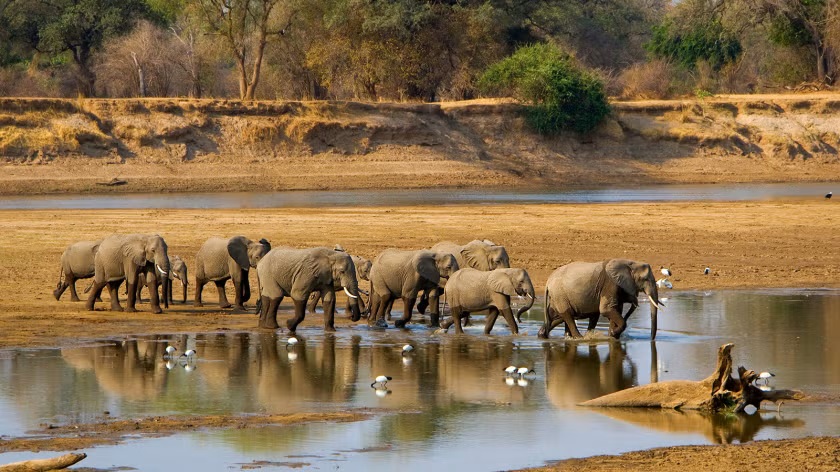
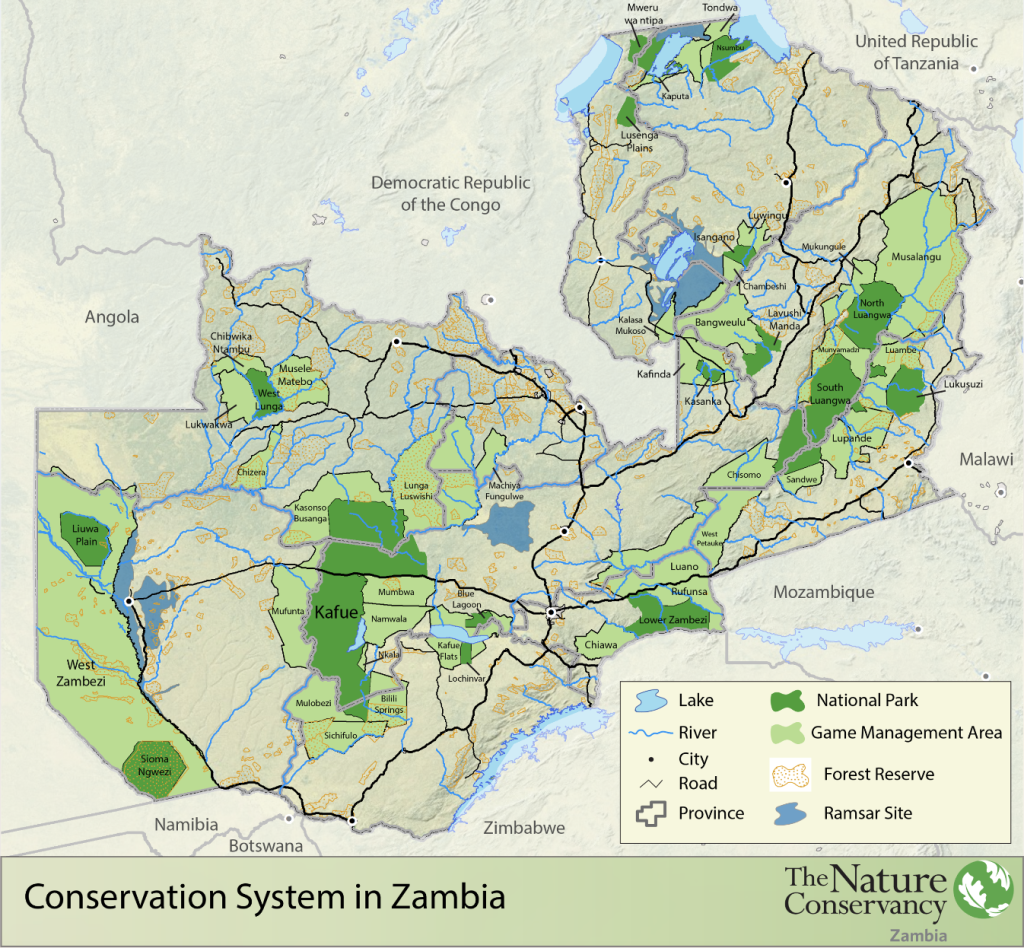
Zambia is endowed with rich biodiversity and extensive natural ecosystems, including forests, wetlands, freshwater systems and wildlife habitats that provide essential services for communities and the economy. The country’s natural capital supports agriculture, fisheries, forestry, tourism and rural livelihoods, making biodiversity conservation an important foundation for sustainable development.
However, Zambia’s biodiversity faces growing pressures from habitat loss and degradation, deforestation, unsustainable natural resource use, climate change and competing demands for land and water. At the same time, financing available for biodiversity remains insufficient to meet national conservation and restoration priorities. Closing this gap requires more effective use of existing public resources alongside greater engagement of the private and financial sectors and innovative sources of finance.
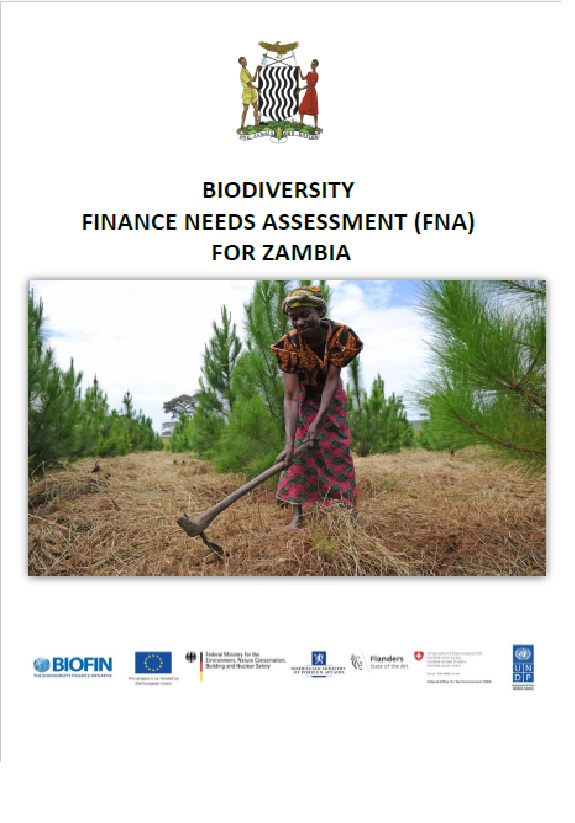
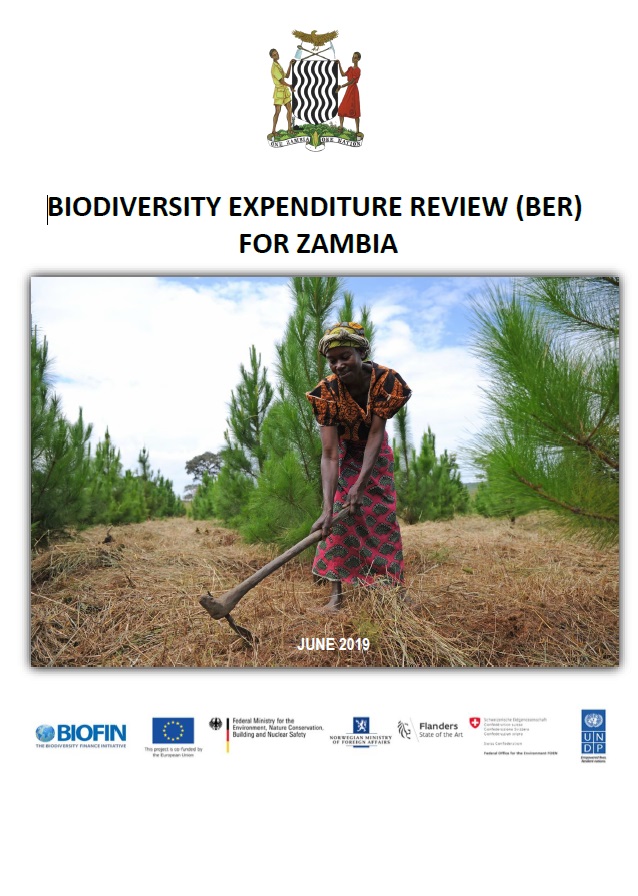
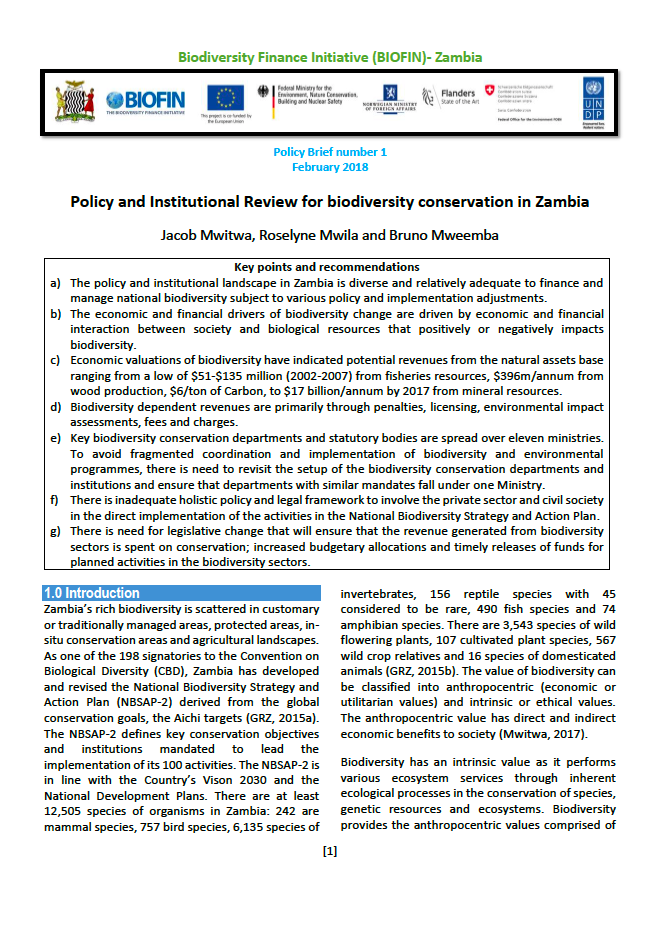
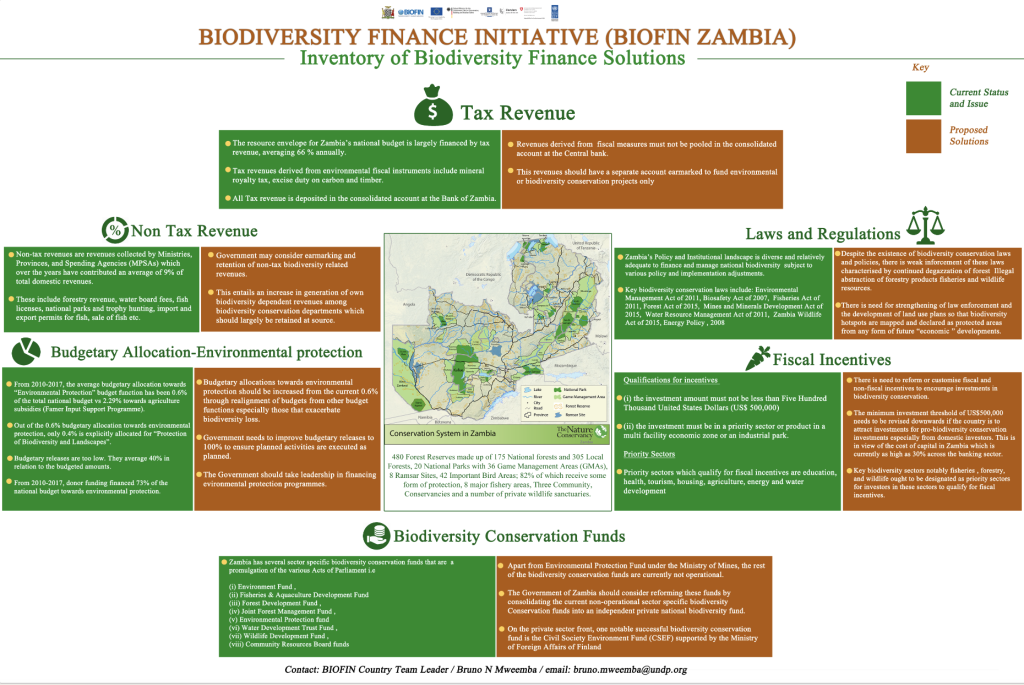
UNDP BIOFIN is supporting Zambia to build a more systematic approach to financing biodiversity. During its initial phase, the programme completed the Policy and Institutional Review (PIR), Biodiversity Expenditure Review (BER) and Finance Needs Assessment (FNA). These assessments informed the development and national validation of Zambia’s Biodiversity Finance Plan (BFP), providing an evidence-based framework for identifying, prioritizing and implementing finance solutions.
Building on this foundation, UNDP BIOFIN is supporting Zambia to move from analysis to implementation, with a focus on mobilizing public, private and financial-sector resources, improving the effectiveness of biodiversity expenditure and developing finance solutions that can help close the biodiversity financing gap at scale.